Disclosure: As an Amazon Associate, I earn from qualifying purchases. Learn more
Finding the best jobsite heater makes long workdays in cold environments far more productive and comfortable. These heaters are built for durability, safety, and consistent warmth, helping crews stay focused during tough winter tasks. From the best propane jobsite heaters offering strong heat output to the best electric jobsite heater providing clean, fume-free operation, each option serves a unique purpose.
- Best Choice: Flame King Portable Heater Outdoor for Jobsite
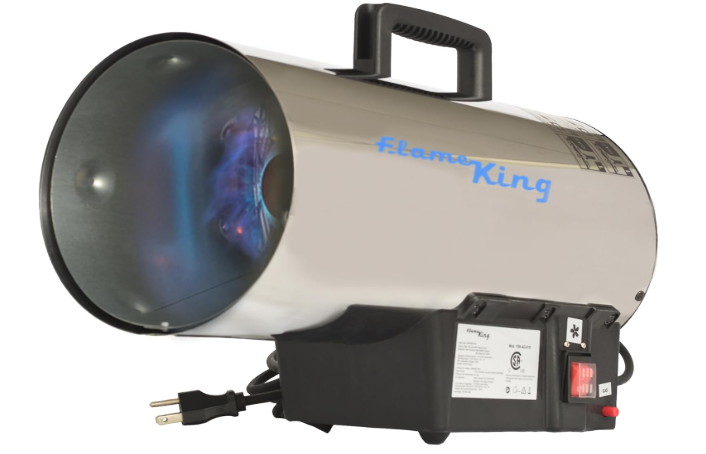
The best portable jobsite heaters are designed for mobility, allowing workers to move them easily between construction zones, garages, and workshops. With reliable ignition, temperature control, and safety features, a quality jobsite heater ensures efficient performance in demanding conditions.
After extensive testing and user experience, we found some of the best jobsite heaters are given below.
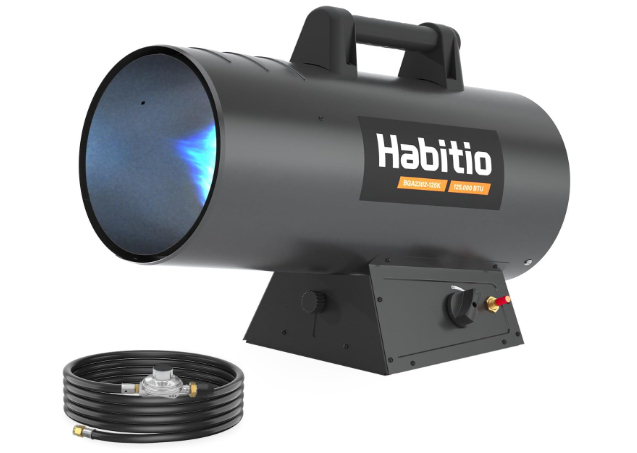
1. Habitio 125,000 BTU Portable Forced Air Propane Heater – Reliable Heat for Every Jobsite
For those who demand consistent, high-output heating, the Habitio 125,000 BTU Portable Forced Air Propane Heater stands as a rugged companion for construction professionals and garage users. Designed to deliver powerful airflow and efficient heat distribution, this torpedo-style heater quickly warms up large open areas, making it one of the best jobsite heaters portable options available. The durable steel body, along with its 10 ft hose and regulator, ensures safe and easy setup even in rough job environments. Its compact frame and built-in handle allow for effortless movement, so you can focus on productivity instead of fighting the cold. Built with an emphasis on energy efficiency and dependable ignition, this heater performs exceptionally under demanding worksite conditions.
Key Benefits
- Up to 125,000 BTU of strong heat
- Durable steel body design
- Safe ignition with regulator and hose
- Perfect for large indoor or outdoor areas
Compatible For
- Construction job sites
- Workshops and garages
- Outdoor projects and barns
Special Note: Use only in well-ventilated spaces; propane tanks are not included.
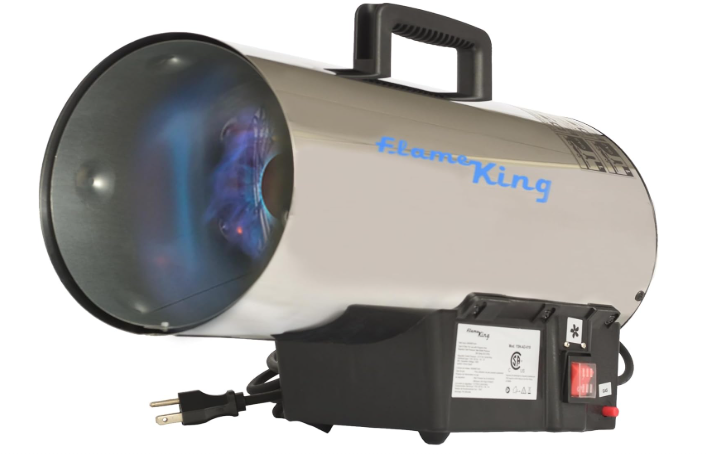
2. Flame King 60,000 BTU Portable Propane Forced Air Heater – Compact Power Performer
The Flame King 60,000 BTU Forced Air Heater is the best propane jobsite heater for those who need high performance in a manageable size. Made from stainless steel with a powerful motor, it delivers steady and adjustable warmth to mid-sized workspaces. Its quick setup and simple propane connection make it a smart choice for contractors, mechanics, and outdoor workers. The heater’s overheat protection and automatic shut-off system enhance safety while maintaining steady heat flow for long hours. Lightweight yet tough, it’s designed for easy transport from one jobsite to another without sacrificing heating capacity. With a strong ignition system and robust fan design, this model ensures your space stays warm even during harsh winter conditions.
Key Benefits
- 60,000 BTU adjustable output
- Built-in safety shut-off
- Durable stainless-steel construction
- Easy carry design for mobile worksites
Compatible For
- Garages and patios
- Construction zones
- Workshops and sheds
Special Note: Operate on level surfaces and avoid using near combustible materials.
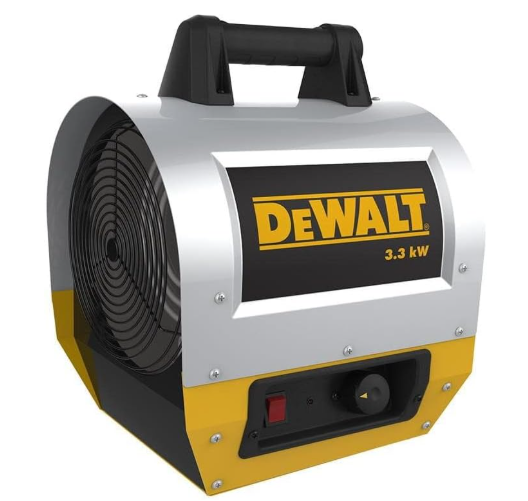
3. DeWalt DXH330 Electric Forced Air Construction Heater – Smart Heat Without Fumes
The DeWalt DXH330 Electric Forced Air Construction Heater is a game-changer for professionals who prefer fume-free, electric jobsite heaters. Built for convenience and performance, it produces steady, clean heat that’s ideal for indoor environments where propane use may not be suitable. The durable housing and rugged handle offer mobility and long-lasting performance, while its adjustable thermostat allows precise temperature control. This best electric jobsite heater eliminates the need for fuel refills, offering a cleaner and quieter heating option. Its high-efficiency fan distributes warmth evenly across construction areas, garages, and workshops. Built by a trusted name, this DeWalt model is the go-to for safety-conscious professionals who value low maintenance and consistent power.
Key Benefits
- Clean electric heat, no fumes
- Adjustable thermostat control
- Rugged DeWalt build quality
- Low maintenance operation
Compatible For
- Indoor worksites
- Basements and garages
- Construction offices
Special Note: Requires a stable power source; avoid outdoor use during wet conditions.
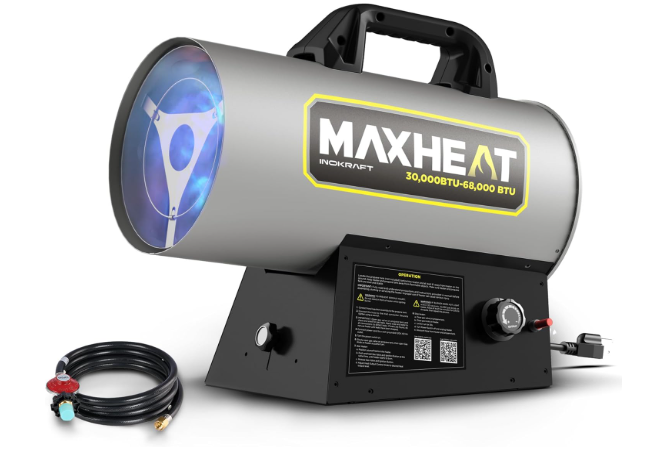
4. InoKraft MaXheat MH68 68,000 BTU Forced Air Propane Heater – Built for Heavy-Duty Performance
The InoKraft MaXheat MH68 is designed for those who need serious heat fast. Offering up to 68,000 BTU, this portable jobsite heater uses propane to deliver fast and efficient warming for large spaces. With a 10 ft regulator hose and easy ignition, it’s a practical and safe option for both contractors and DIY users. The adjustable heat control gives you flexibility depending on your workspace size, while the reinforced metal casing guarantees long-term use in demanding environments. Lightweight but durable, this torpedo heater provides a great balance of power and portability, making it one of the best propane jobsite heaters available.
Key Benefits
- 68,000 BTU adjustable power
- Reliable ignition system
- Portable and lightweight
- CSA-certified for safety
Compatible For
- Workshops and construction sites
- Warehouses and garages
Special Note: Keep propane cylinders upright and ensure proper ventilation before use.
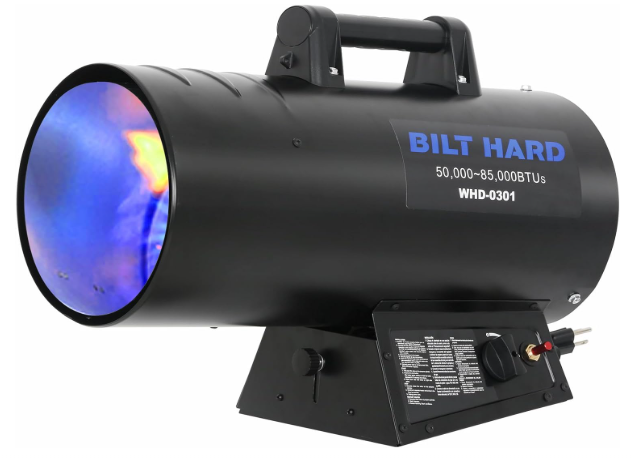
5. BILT HARD 85,000 BTU Forced Air Propane Heater – The Powerhouse for Harsh Conditions
The BILT HARD 85,000 BTU Forced Air Heater is built to handle the toughest conditions at any jobsite. Its adjustable BTU output and strong blower system distribute heat quickly and evenly, maintaining warmth even in open or semi-outdoor environments. Featuring CSA certification, safety mechanisms, and an included regulator and hose, this heater ensures both reliability and peace of mind. The durable steel shell resists impacts and corrosion, making it ideal for heavy-duty construction projects. Despite its industrial-grade strength, it remains surprisingly portable with its ergonomic handle and compact body. Perfect for professionals who prioritize power, durability, and performance in one package.
Key Benefits
- Up to 85,000 BTU of heating power
- CSA-certified safety standard
- Heavy-duty steel construction
Compatible For
- Construction and remodeling sites
- Workshops and barns
- Outdoor repair zones
Special Note: Not intended for enclosed residential spaces; maintain airflow at all times.
Benefits of Using the Best Jobsite Heater for Cold Work Environments
Anyone who’s worked through biting winter mornings on a construction site knows that cold isn’t just uncomfortable—it slows everything down. The best jobsite heater changes that story completely. By keeping the air warm and dry, it helps workers stay productive, focused, and safe.
Shivering hands make for poor grip, and numb fingers aren’t exactly ideal for handling tools. A good heater keeps everyone alert and in better control of their equipment. That’s not just about comfort—it’s about preventing costly mistakes and potential injuries.
The warmth also protects your materials and machinery. Moisture can ruin paint, adhesives, and even power tools. With steady heat, you’re creating a controlled environment where work quality improves. Many modern heaters are designed to be energy-efficient, meaning you get steady performance without draining your fuel or electricity budget.
The quiet hum of a well-built heater often becomes the background music of a smooth-running site. Simply put, investing in a reliable jobsite heater isn’t a luxury—it’s a productivity tool that pays for itself through faster work, fewer breakdowns, and happier workers.
What to Look for Before Buying a Jobsite Heater
BTU rating – Check how much heat output you’ll need. A small enclosed space needs far less BTU power than an open construction zone.
Fuel type – Decide between propane, kerosene, diesel, or electric. Each has pros and cons depending on ventilation and mobility needs.
Portability – Look for units with sturdy handles, wheels, and compact designs if you move from site to site.
Safety features – Automatic shut-off, tip-over protection, and overheat sensors are non-negotiable for safe operation.
Power efficiency – Models with thermostats and adjustable settings save fuel and prevent overuse.
Noise level – In a busy site, a quieter heater makes communication easier and improves concentration.
Durability – Go for metal housing or weather-resistant materials that can handle dust, vibration, and accidental bumps.
Ease of setup – Choose heaters that plug and play without complicated wiring or gas line adjustments.
Best Jobsite Heater Comparison: Propane vs Electric Models
| Feature | Propane Heaters | Electric Heaters |
|---|---|---|
| Heat Output | High BTU suitable for large, open sites | Moderate BTU ideal for enclosed spaces |
| Operating Cost | Cheaper fuel but requires regular refills | Slightly higher electricity bills |
| Portability | Excellent mobility; no cords required | Limited range due to cable dependency |
| Safety | Needs ventilation to prevent CO buildup | Zero emissions, safe for indoors |
| Maintenance | Occasional cleaning and gas checks | Minimal upkeep, just dust filters |
| Startup Time | Instant heat once ignited | Gradual heat-up process |
| Weather Suitability | Performs well outdoors in extreme cold | Performs best indoors or semi-covered areas |
Propane heaters dominate outdoor and heavy-duty jobs, while electric units fit enclosed, controlled spaces. Both can serve well if you choose based on work environment, budget, and safety conditions.
How to Install and Set Up a Jobsite Heater Safely
Select a stable surface that’s level and far from flammable materials like sawdust or paint cans.
Read the safety instructions before connecting power or fuel—each model has its own operating nuances.
For propane models, attach the gas cylinder using the manufacturer’s regulator and hose, checking for leaks with a soapy water solution.
For electric models, ensure your extension cord is rated for heavy-duty use and plugged into a grounded outlet.
Position the heater strategically, aiming airflow toward the work zone but away from direct contact with people or objects.
Test the unit on low power first to ensure smooth ignition and proper airflow.
Monitor the heater regularly, especially during long shifts, to make sure it’s running safely and efficiently.
Safety doesn’t end after installation—maintaining awareness around heat sources is part of every worker’s routine.
Common Uses and Other Applications of Jobsite Heaters
Jobsite heaters aren’t limited to construction zones—they’re incredibly versatile. In garages, they make vehicle maintenance in winter much easier, keeping mechanics warm and tools ready to use.
In workshops, they maintain the ideal temperature for woodworking or painting, where consistent warmth can mean the difference between a perfect finish and a cracked surface. Warehouses also benefit, as heaters help regulate temperature to prevent moisture damage to stored goods.
In construction environments, jobsite heaters protect curing concrete, drying paint, and maintaining adhesive performance in cold weather. Even temporary shelters or on-site offices use them to keep teams comfortable through long shifts.
Their rugged designs mean they can handle dust, vibration, and harsh surroundings. The versatility of a jobsite heater makes it a must-have tool for anyone working in temperature-sensitive conditions.
Proper Maintenance Method to Extend Jobsite Heater Lifespan
Unplug or disconnect fuel before cleaning to prevent accidents.
Wipe exterior surfaces using a damp cloth to remove dust and debris buildup.
Inspect air filters and vents every few weeks; clogged filters reduce airflow and efficiency.
Check fuel lines and connections for leaks or corrosion if using propane or diesel.
Store the heater in a dry, dust-free area during off-seasons to prevent rust.
Run a quick pre-season test before winter to confirm all components work correctly.
Lubricate moving parts or fans if the manual recommends it.
A little routine care keeps your heater running smoothly for years. Neglecting maintenance often leads to uneven heat, higher fuel consumption, or premature failure—issues that are far more costly than a few minutes of upkeep.
Who Should and Shouldn’t Buy a Jobsite Heater
These heaters are a perfect match for contractors, mechanics, painters, and warehouse staff who face cold conditions daily. They’re also a smart investment for DIY enthusiasts or small business owners running workshops or garages. If your job depends on steady performance regardless of weather, you’ll appreciate the comfort and consistency a jobsite heater brings.
But not everyone needs one. Those working in well-insulated indoor spaces with central heating might find it unnecessary. Also, people unfamiliar with handling gas or electrical equipment safely should consider professional installation or smaller plug-in models.
Quick tip: if your workspace regularly drops below 50°F and you’re seeing condensation on tools or materials, a jobsite heater could be your best friend.
Expert Tips for Getting the Most Out of Your Jobsite Heater
Position wisely – Aim heat across the workspace, not directly on people or walls.
Ventilate if using propane or kerosene – A little airflow prevents carbon buildup.
Use thermostats or timers to maintain steady warmth without energy waste.
Keep flammables at least three feet away to avoid accidents.
Choose the right size heater for your space; too small won’t warm enough, too large wastes energy.
Inspect daily during cold seasons to catch small issues before they escalate.
Train your crew to handle the heater safely—mistakes usually happen from misuse, not defects.
Troubleshooting Common Jobsite Heater Problems
Ignition Failure – Check the power source or gas supply. Replace spark plugs or clean the ignition area if it’s dirty.
Overheating – Ensure vents aren’t blocked and thermostats aren’t malfunctioning. Dust buildup can cause poor airflow.
Poor Airflow – Clean filters and check fans for obstructions. Restricted flow reduces heating power and efficiency.
Unusual Noise – Loose screws or fan imbalance can cause rattling. Tighten fittings and inspect moving parts.
Frequent Shutdowns – Could be a safety sensor issue. Reset the unit and test in a clean, open area before calling a technician.
A steady maintenance rhythm and quick responses to small problems save a lot of downtime in the long run.
Sometimes, a simple piece of equipment can transform a cold, sluggish site into a productive and comfortable space. A well-chosen jobsite heater isn’t just about warmth—it’s about keeping work flowing, people motivated, and deadlines on track. With the right setup, maintenance, and care, your heater can serve you for years as one of the most dependable tools on the site.
Read Also:
