Disclosure: As an Amazon Associate, I earn from qualifying purchases. Learn more
Finding the best construction heater ensures steady warmth and productivity on cold job sites. A reliable unit keeps workers comfortable and prevents delays caused by freezing conditions. Options like propane, kerosene diesel, and electric models provide flexible solutions for different environments. A portable heater for construction sites offers quick setup and efficient performance, while forced air propane and electric heaters deliver consistent temperature control.
- Best Choice: InoKraft MaXheat Forced Air Propane Heater
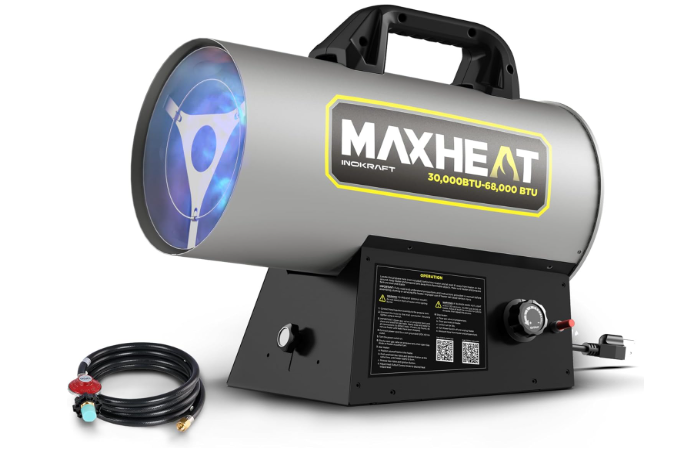
The best jobsite heater combines durability, easy portability, and safety features to withstand heavy use. From small renovation projects to large-scale construction heating, these powerful units make every workspace safer and more efficient through dependable heat output.
Through our intensive testing and user feedback, we found some of the best construction heaters are given below
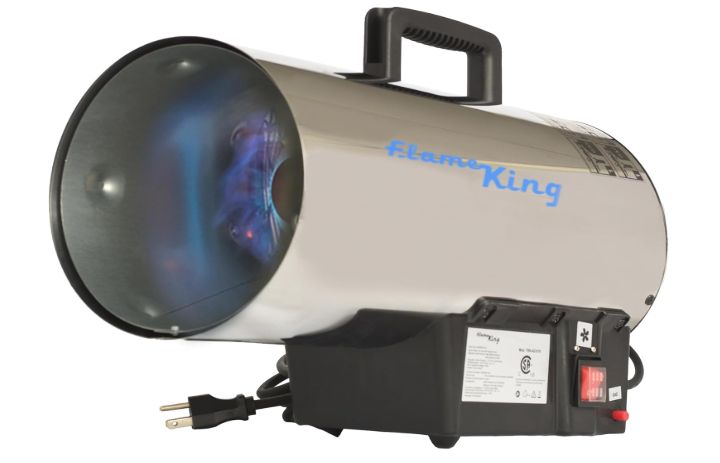
1. Flame King 60,000 BTU Portable Propane Forced Air Construction Heater
Capacity: 60,000 BTU
Special Feature: Adjustable heat output, stainless steel build, automatic shutoff
Key Features
- Heats up to 1,500 sq. ft
- Rugged stainless-steel body
- Adjustable heat control knob
- Safe automatic shutoff system
- Easy piezo ignition startup
- Lightweight and portable design
- Ideal for outdoor or jobsite use
Specialty
- Powerful portable propane heater
- Reliable for large open spaces
- Designed for harsh jobsite use
- Fast and consistent heat delivery
Compatible For
- Construction sites and garages
- Workshops and patios
- Outdoor jobsite heating
Review:
This portable propane construction heater delivers dependable warmth for large work areas. The stainless-steel body ensures durability, while adjustable heat and safety features make it one of the best heaters for construction sites.
Special Note:
Ensure proper ventilation during use; not suitable for enclosed indoor spaces without airflow.
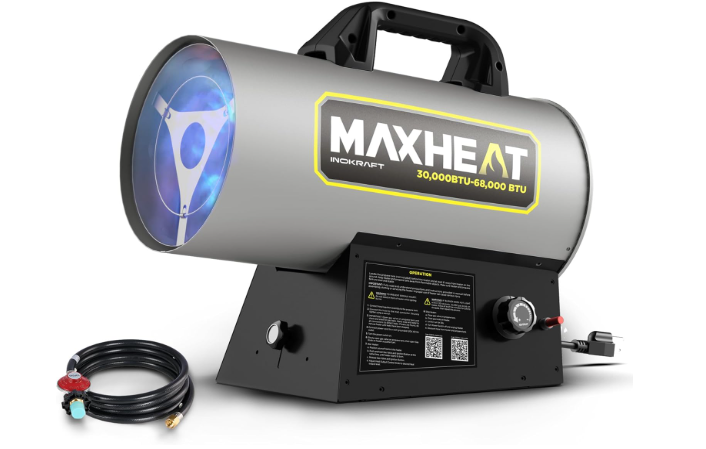
2. InoKraft MaXheat MH68 68,000 BTU Forced Air Propane Heater
Capacity: 68,000 BTU
Special Feature: 10-foot hose with regulator, adjustable flame control
Key Features
- Covers up to 1,700 sq. ft
- Quick ignition push-button start
- Adjustable temperature control
- Includes hose and regulator kit
- Portable and easy to transport
- Rust-resistant heavy-duty shell
- Low noise forced-air operation
Specialty
- High output for tough environments
- Ideal portable heater for construction sites
- CSA safety-certified
Compatible For
- Construction heating
- Job site heaters
- Barns and large garages
Review:
The InoKraft MaXheat MH68 stands out as one of the best propane construction heaters, offering high heat output and fuel efficiency. It’s perfect for large-scale projects needing reliable on-site warmth.
Special Note:
Use outdoors or in ventilated areas only; keep propane connections tight and secure.
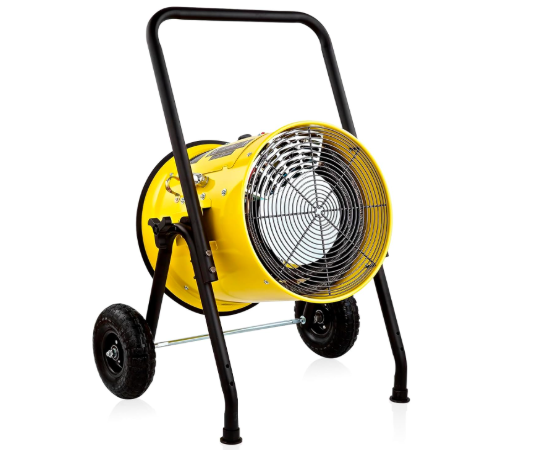
3. Dr. Infrared DR-PS11024 Salamander 10,000-Watt Electric Construction Heater
Capacity: 10,000 Watts
Special Feature: Heavy-duty steel frame, overheat protection
Key Features
- 240V single-phase power
- Adjustable thermostat control
- Overheat safety shutdown
- Durable industrial-grade casing
- Quiet forced-air electric system
- Maintenance-free design
Specialty
- Ideal electric construction heater
- Long lifespan with minimal upkeep
- Safe for indoor jobsite heating
- Energy-efficient operation
Compatible For
- Indoor construction spaces
- Workshops and factories
- Commercial jobsite heaters
Review:
This electric construction heater delivers instant, clean heat for indoor environments where propane use isn’t ideal. Built tough, it’s a top-rated jobsite heater for consistent performance and safety.
Special Note:
Requires 240V outlet; not compatible with standard home plugs.
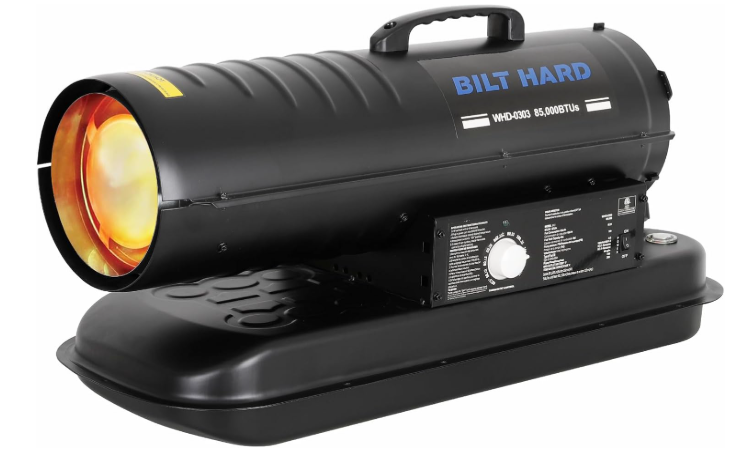
4. BILT HARD 85,000 BTU Forced Air Kerosene Diesel Construction Heater
Capacity: 85,000 BTU
Special Feature: Thermostat control, CSA certified safety
Key Features
- Heats up to 2,000 sq. ft
- Thermostat with digital temperature display
- Multi-fuel capability (kerosene/diesel)
- 5-gallon tank for long run-time
- Built-in carry handle
- Instant ignition technology
- Safety overheat and flame sensors
Specialty
- Best kerosene diesel construction heater
- Long-lasting and fuel-efficient
- Great for cold outdoor environments
- Certified safety performance
Compatible For
- Construction site heating
- Garages and warehouses
- Large outdoor work areas
Review:
With strong heat output and multi-fuel options, the BILT HARD heater excels in extreme cold, making it the best diesel construction heater for heavy-duty operations and consistent runtime.
Special Note:
Avoid indoor operation without ventilation; fumes may accumulate if airflow is restricted.
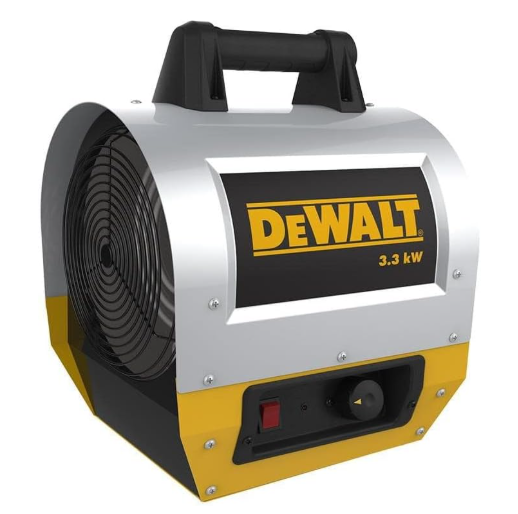
5. DeWalt DXH330 Electric Forced Air Construction Heater
Capacity: 30,000 Watts
Special Feature: Dual heating elements, built-in thermostat
Key Features
- Industrial-grade electric heater
- Rugged steel frame for durability
- Adjustable thermostat settings
- Fan-assisted uniform heating
- Quiet and efficient airflow
- Portable with sturdy handles
- No fuel required
Specialty
- Best electric construction heater
- Clean and emission-free heating
- Reliable for indoor use
- Built by trusted DeWalt engineering
Compatible For
- Enclosed jobsite spaces
- Workshops and renovation areas
- Construction space heater setups
Review:
The DeWalt DXH330 ensures reliable and emission-free performance, offering superior safety for enclosed job sites. It’s a top electric heater for construction sites where steady power is available.
Special Note:
Must connect to a compatible high-amperage electrical supply; avoid using extension cords.
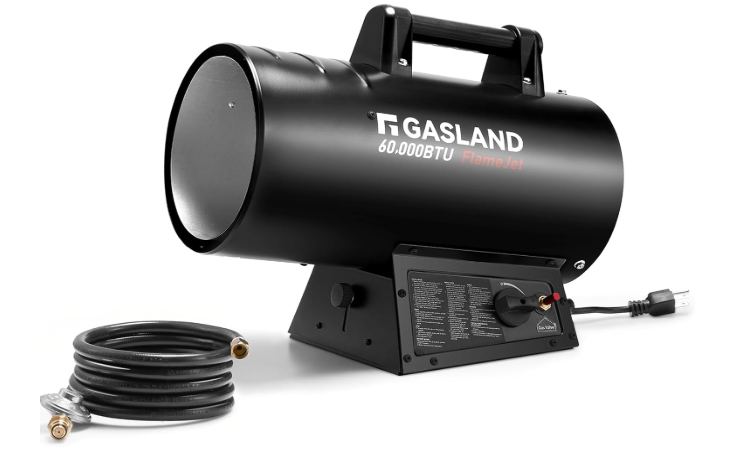
6. GASLAND FlameJet 60,000 BTU Propane Portable Construction Heater
Capacity: 60,000 BTU
Special Feature: Piezo ignition system, easy setup propane hose
Key Features
- Covers up to 1,500 sq. ft
- Fast ignition with piezo system
- Adjustable heat flow knob
- Corrosion-resistant metal body
- Stable base design
- Simple propane tank connection
- Quiet operational sound
Specialty
- Best portable space construction heater
- Lightweight yet powerful design
- Ideal for quick heat-up times
- Easy to carry and store
Compatible For
- Job sites and outdoor workshops
- Garages and patios
Review:
The GASLAND FlameJet is among the best portable heaters for construction sites, combining compact portability with efficient propane heating. It’s ideal for quick, powerful heat in temporary job zones.
Special Note:
Only use in ventilated environments; keep flammable materials away during operation.
What Makes the Best Construction Heater Worth Buying
A heater used on construction sites must handle long hours, rough environments, and unpredictable weather. The best construction heater should provide steady heat without frequent interruptions or complicated operation. What makes it worth buying isn’t just high BTUs or a flashy design—it’s a mix of durability, performance, and practicality. A dependable model keeps workers productive, prevents equipment from freezing, and helps materials cure correctly during cold months.
Think about those icy mornings when tools feel like metal blocks and breath fogs up your face. A quality construction heater turns that harsh environment into a workable space. It should feature fast ignition systems, safety shutoffs, and sturdy construction to handle knocks, dust, and moisture.
The most worthwhile models also offer portability with solid handles or wheels for easy movement between areas. In short, a heater earns its price tag when it delivers comfort, safety, and energy efficiency day after day without fail.
Key Factors to Check Before Choosing a Construction Site Heater
Before buying a heater, check a few vital things that decide how well it’ll perform on-site. Start with heating capacity, measured in BTUs. The larger the area, the higher the BTU output needed. Then consider fuel type—propane, diesel, or electric. Each has its own benefits depending on whether the work is indoors or outdoors.
Safety features make a big difference too. Look for tip-over protection, automatic shutoff, and overheat sensors. These prevent accidents and give you peace of mind during long shifts. Portability is another factor—heaters with handles or wheels are far easier to move between floors or job zones.
Noise levels can also matter. Some diesel units are powerful but loud, while electric heaters run quietly. Think about the work environment before deciding. A well-chosen heater will match the size, purpose, and safety needs of your site perfectly.
Propane vs Electric vs Diesel Construction Heaters: Which Fits Your Jobsite
Each heater type serves a different purpose, and your workspace decides which one suits best.
Propane heaters are known for their strong heat output and fast performance. They’re ideal for open or semi-enclosed areas where ventilation is available. You can move them easily, and they ignite quickly even in freezing conditions.
Electric heaters shine indoors. They produce zero emissions, so they’re safe for closed spaces like workshops or basements. They’re quieter and need little upkeep, though their heating range is smaller compared to fuel-based models.
Diesel heaters are the heavy hitters. They handle vast outdoor areas or massive construction zones with ease. Though a bit louder and heavier, they deliver unmatched warmth during extreme cold.
If your crew works mostly outside, propane or diesel wins. For enclosed spaces, electric heaters are the smarter pick. Matching the heater type to the job environment saves money and keeps your team safe and comfortable.
Benefits of Using a Reliable Heater for Construction Sites
A reliable construction heater is more than a comfort tool—it’s a productivity booster. It keeps workers warm enough to perform without shivering or losing focus. Heat also helps prevent frozen tools, brittle materials, and uneven curing of concrete or paint. Those small details can make a big difference in project timelines.
A stable temperature keeps job progress smooth and reduces costly delays. Reliable heaters also protect safety by avoiding frost-related injuries and slippery conditions. Workers appreciate an environment that feels livable rather than punishing, which naturally improves morale.
Modern heaters come designed for energy efficiency, using less fuel while maintaining steady warmth. Over time, this saves operational costs. Investing in reliability isn’t about luxury—it’s about ensuring every workday runs effectively, even in freezing winds.
Installation and Safety Method for Construction Heaters
Setting up your heater correctly prevents accidents and ensures smooth operation. Always start by choosing a flat, stable surface free from clutter or debris. Keep a few feet of space around the heater so air can circulate freely. For propane and diesel models, check all connections for leaks using soapy water before igniting.
Ensure the area has proper ventilation to avoid buildup of harmful gases. Electric heaters should be plugged into grounded outlets only—avoid using damaged extension cords. Once installed, test-run the heater briefly before relying on it for full-day use.
Shut the unit down before refueling or moving it. Keep fire extinguishers nearby, and remind workers not to dry clothing or gloves directly on the heater. A few mindful steps go a long way toward keeping the site safe and warm without incident.
Essential Accessories to Pair with the Best Construction Heater
Some accessories turn a good heater into a great one. Start with a thermostat controller to regulate heat levels automatically, preventing wasteful energy use. Extension hoses help position the heater safely away from sensitive materials, while wheel kits add mobility for large or heavy models.
Using fuel filters extends engine life and prevents clogs in diesel heaters. Protective covers shield the unit from dust, rain, and debris during off hours. Even small things like hose clamps or quick-connect fittings make daily use smoother and safer.
Accessories might seem optional, but they often save time and increase your heater’s lifespan. It’s like equipping a power tool with the right attachments—everything works better and lasts longer with the right gear.
Maintenance Tips for Long-Lasting Construction Heaters
Keeping a heater in good condition isn’t complicated, but it does require routine attention. Always turn off the power or fuel supply before cleaning. Wipe down the outer casing and vents to clear dust and grime buildup. For diesel or propane heaters, check burners and nozzles for carbon residue.
Replace or clean air filters to maintain airflow and prevent overheating. Inspect hoses, fittings, and electrical cords regularly. Even a small leak or frayed wire can cause big problems if ignored. Test safety switches and thermostats once in a while to ensure they’re still responsive.
Simple cleaning habits extend the life of your heater and keep it performing like new. Think of it as basic care—ignore it, and you’ll be left in the cold at the worst time.
Who Should and Shouldn’t Buy a Heavy-Duty Construction Heater
A heavy-duty heater fits professionals handling large-scale jobs in freezing weather. Contractors working outdoors, in warehouses, or industrial projects will appreciate their power and reach. These heaters can handle high BTU outputs that smaller models can’t match.
On the flip side, if your project takes place indoors or in a small garage, a heavy-duty unit might be excessive. It can overheat confined spaces or produce fumes unsafe for enclosed use. For small-scale renovations or part-time projects, compact electric heaters do the job better.
Choosing wisely depends on the size of your workspace and ventilation. Think of it like choosing a truck—you wouldn’t buy a semi to move a few boxes, and you wouldn’t want a tiny pickup for hauling tons of concrete either.
How to Choose the Right Size Heater for Your Construction Project
Getting the right size heater matters more than people realize. Too small, and it barely warms the space. Too large, and it wastes fuel while overheating. The goal is to match BTU output with your work area. For most projects, around 40–60 BTUs per square foot works well.
For example, heating a 1,000-square-foot area would need roughly 50,000 BTUs. Open or poorly insulated zones may require even more. Always check ceiling height, ventilation, and exposure to wind before finalizing the size.
Choosing the correct heater size ensures efficient heating without draining your wallet on fuel. It’s a balance between comfort, energy use, and practicality that every contractor should calculate before buying.
Expert Tips to Get Maximum Efficiency from Your Construction Site Heater
A few small habits can make a huge difference in performance. Position your heater near the coldest zone to distribute heat evenly across the space. Close off unused areas with plastic barriers or tarps to trap warmth where it’s needed most.
Check fuel levels regularly and keep tanks filled to avoid mid-shift shutdowns. Clean vents and filters every few days for better airflow. If your model has a thermostat, set it at a steady level instead of constant adjustments—it saves energy and maintains comfort.
Lastly, never run your heater at full power all day. Use bursts of high heat to warm up the area, then switch to a moderate setting. This keeps the workspace cozy while stretching every drop of fuel.
How Construction Heaters Improve Jobsite Safety and Workflow
Cold weather affects both people and materials. Construction heaters reduce frost-related injuries, keep tools from freezing, and help workers stay alert. Warmth prevents condensation on equipment, lowering the risk of slips and malfunctions.
Consistent heat also ensures concrete curing, paint drying, and adhesives bonding properly. That’s not just comfort—it’s quality control. In freezing environments, every degree of warmth translates into smoother progress and fewer delays.
A warm workspace keeps morale high too. Workers move faster, think clearer, and stay motivated. A heater might look like a background item, but its role in jobsite safety and workflow efficiency can’t be overstated. It’s the quiet hero behind productive winter construction.ty measure.
Common Questions and Answers
How Much Power Does a Construction Heater Consume?
The power use depends on the heater type and size. Electric heaters typically range between 1,500 and 5,000 watts, suitable for enclosed areas. Diesel and propane units are measured in BTUs, often between 30,000 and 300,000. To manage costs, select a heater with thermostatic control and only run it during active work hours. Proper insulation around the work area also reduces power drain dramatically.
Can Construction Heaters Be Used Indoors Safely?
Yes, but only electric heaters are safe for enclosed spaces because they produce no fumes. Propane and diesel heaters should only be used indoors if there’s proper ventilation and carbon monoxide monitoring. Always read the safety instructions carefully before operating. Keeping doors slightly open or using ventilation fans helps maintain air quality and prevent buildup of harmful gases.
What Size Construction Heater Do I Need for a Large Warehouse?
To heat a warehouse effectively, calculate the cubic footage and use around 4–5 BTUs per cubic foot as a guideline. For example, a 10,000 cubic foot space would need roughly 40,000–50,000 BTUs. Consider insulation, ceiling height, and air leaks before deciding. Industrial propane or diesel models are typically better suited for these vast areas because of their stronger output.
Are Portable Construction Heaters Worth Buying?
Absolutely. Portable units offer mobility and flexibility across multiple worksites. They’re great for temporary projects, smaller construction jobs, or moving heat to different zones. Some even feature built-in handles and wheels for convenience. Their main advantage is adaptability—you can set them up in minutes without needing permanent installation. For short-term or shifting projects, they’re a perfect fit.
How Often Should Construction Heaters Be Serviced?
For best performance, check your heater before every major project or at least once per season. Clean filters, inspect hoses, and test the ignition system. Diesel and propane units may need more frequent service depending on usage intensity. Keeping up with small maintenance tasks prevents expensive repairs later and ensures your heater operates efficiently throughout the winter season.
